Scripture
Deuteronomy 6:4-9
4Hear, O Israel: The Lord our God, the Lord is one.
5Love the Lord your God with all your heart and with all your soul and with all your strength.
6These commandments that I give you today are to be on your hearts.
7Impress them on your children. Talk about them when you sit at home and when you walk along the road, when you lie down and when you get up.
8Tie them as symbols on your hands and bind them on your foreheads.
9Write them on the doorframes of your houses and on your gates.
NIV
Scripture quotations taken from The Holy Bible, New International Version® NIV®. Copyright © 1973, 1978, 1984, 2011 by Biblica, Inc.™ Used by permission of Biblica, Inc.™ All rights reserved worldwide.
Devotion
One Lord, One Wholehearted Love
Before sunrise in a neighborhood bakery, the first task is not to switch on the ovens. A baker lifts a glass jar from the counter, peels back its lid, and stirs flour and water into the pale, bubbling starter inside. The mixture needs feeding whether the day ahead is busy or quiet, and its condition will affect every loaf that follows. It travels in the baker’s thinking through the morning: when to fold, when to shape, when the room is too cool. A living thing kept by daily attention gradually sets the rhythm of the whole shop.
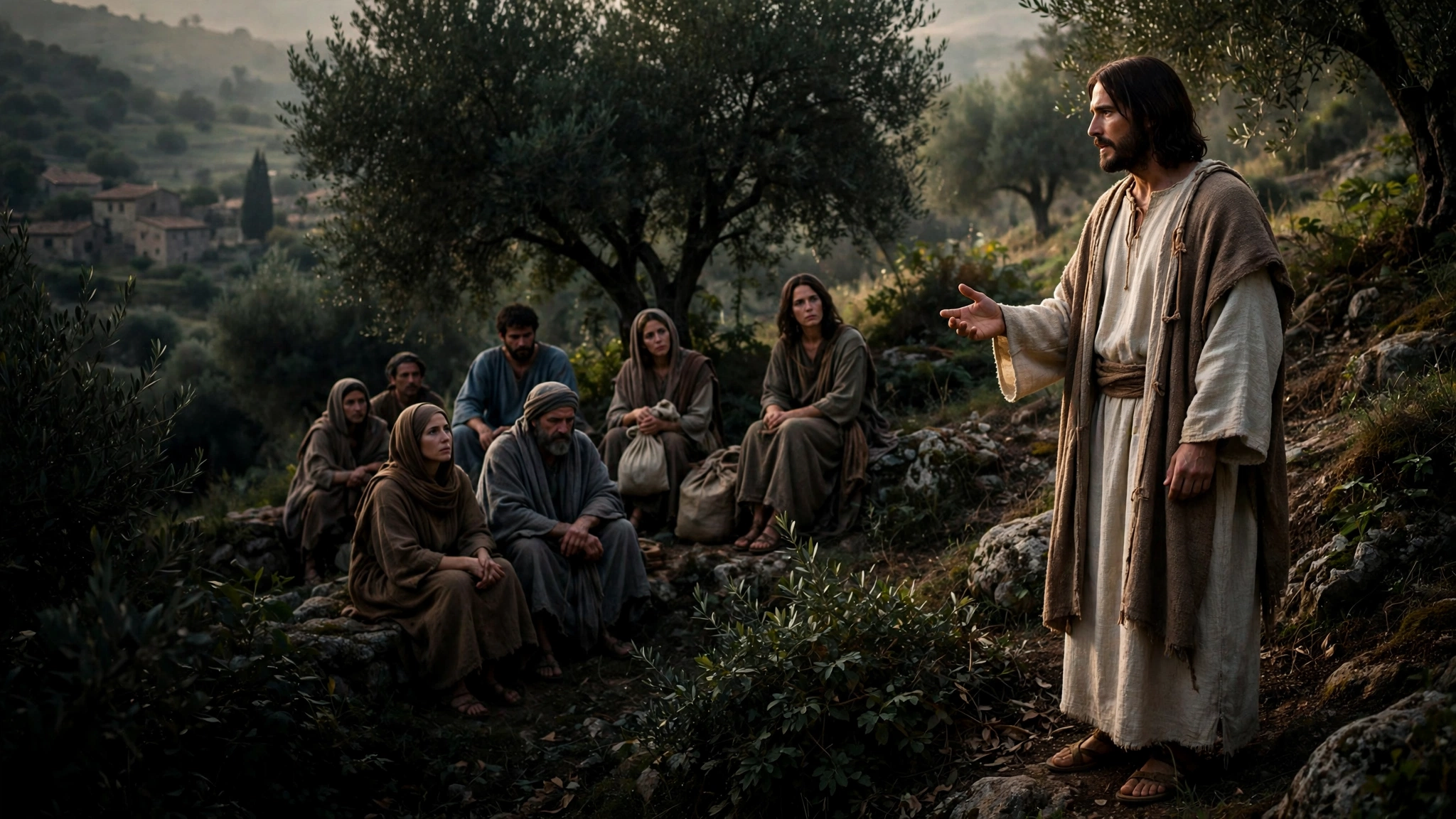
Moses taught Israel to tend love for God with that kind of daily, whole life attention. Deuteronomy presents him addressing a new generation in Moab, just east of the Jordan, before they enter the promised land. He begins the Shema, named for its first Hebrew word, meaning hear or listen, with a confession of God’s unity and exclusive claim on his people. Knowing God truly is not an occasional religious thought. Because God is unrivaled, he is to be heard with obedient trust.
The command that follows calls for love without a reserved corner. Heart, in Hebrew thought, includes affections, thoughts, and choices, so the mind is already gathered into this devotion. Soul speaks of the whole living person, with desire, breath, and identity. Strength, translated from a word that can suggest muchness or abundance, reaches to capacity and resources. Together the terms do not divide us into neat compartments. They pile up, as if Moses will leave no part of life outside this love. What we want, think, have, and do all belong to God. When Jesus later cited this command, he named heart, soul, mind, and strength, underscoring its total claim.
That is why God’s words are not left in a sanctuary or a scroll alone. They are to rest on the heart, be taught carefully to children, and become conversation at home and along the road, at bedtime and on rising. Signs on hand and forehead and words on doorposts and gates made allegiance visible in action, thought, household, and public life. These practices were not lucky charms. They were reminders that formed a people, turning ordinary thresholds and routines into places of remembrance.
Today, begin with one repeatable anchor rather than a vague resolve to do better. Recite this confession before checking messages, speak of God’s words at a meal, or pause at your doorway and ask what obedience will look like beyond it. Let strength take practical shape in time given, work done honestly, money used generously, and a body rested and offered for service. The Lord does not ask for a fragment of us on special days. He invites a steady love that is tended daily and carried into every room.
Insights
Understanding the passage
Deuteronomy is presented as Moses’ farewell teaching and is traditionally attributed to him, though its final editing history is complex. Its name means second law, and the book largely retells and applies the covenant for Israel after the Exodus. The audience in chapter 6 is the generation preparing to enter Canaan, many of whom had not personally witnessed deliverance from Egypt. The setting is the plains of Moab east of the Jordan. Verses 4 to 9 contain the Shema, a central confession of Israel’s faith, affirming the Lord’s oneness and calling for exclusive, whole person love expressed through obedience. Its themes include listening that leads to action, remembering God’s words, teaching children diligently, and letting covenant allegiance shape home, work, travel, and public life.
Reflect and Pray
Questions for reflection
- Which part of your daily life most often remains divided from your love for God, and what reminder could help you bring it under his lordship today?
- Who could hear God’s words naturally through your conversation this week, and at which ordinary moment could you speak them?
Closing Prayer
Lord our God, you alone are worthy of our undivided love. Teach us to hear you with trusting hearts, to hold your words through the day, and to love you with all our thought, desire, energy, and resources. Make our homes and conversations places where your truth is remembered and lived, in Jesus name, amen.

 New every morning